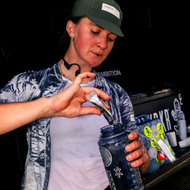
At marathon and endurance pace, your body leans hard on carbohydrates. During exercise, your muscles rely primarily on stored glycogen, which is a fuel built from the sugars (glucose and fructose) in the carbs you eat. Fuel consistently, hold your pace, recover faster, and blunt that late-race fatigue. Fuel poorly, and no amount of training saves you from hitting the wall.
Here’s how to approach it, stage by stage.
36–48 Hours Out: Carb-Loading, Done Properly
Carb-loading isn’t about one big pasta dinner the night before, it’s a 36–48 hour window aimed at maximising the glycogen stored in your muscles. Wind back fibre and heavy meals during this period; both slow digestion and can cause GI discomfort right when you don’t want it.
The numbers: aim for roughly 700–840g of carbohydrate a day if you’re a 70kg athlete, held for 2–3 days before your event (scale this to your own bodyweight). Fluid intake needs to rise alongside it, it takes approximately 3.7–4g of water to store every 1g of glycogen, so under-hydrating during this window undermines the loading itself.
SIS Beta Fuel 80 Sachet is an easy way to help close the gap without forcing down an unrealistic amount of solid food - one sachet a day in this window adds a clean 80g of carbs.
Rehearse your fueling plan in training so gels, bars and drinks aren’t a first-time experience on race morning, and so your gut has had time to adapt to handling them under effort.

Pre-Race: The Right Meal, In the Right Window
Race day should be the most boring, predictable execution of a plan you’ve already tested, not an experiment.
Aim to eat your main pre-race meal 2–4 hours before starting. Good options include porridge with banana, toast with jam, or rice with lean protein - easily digestible carbs that won’t sit heavy once you’re warming up. A few meal ideas with approximate carb counts:
- Banana + 200ml sports drink - around 39g carbs
- White bagel with jam, fruit juice and 150g low-fat Greek yoghurt - around 80g carbs
- 3–4 medium pancakes with honey, one banana, 200g low-fat Greek yoghurt and fruit juice - around 144g carbs
Hydration and sodium need attention here too. Short-term sodium loading (roughly 275–420mg per 100ml of fluid in the 4 hours before your effort) helps expand blood plasma volume ahead of the start. Maurten Drink Mix 320 is a solid place to start for this.

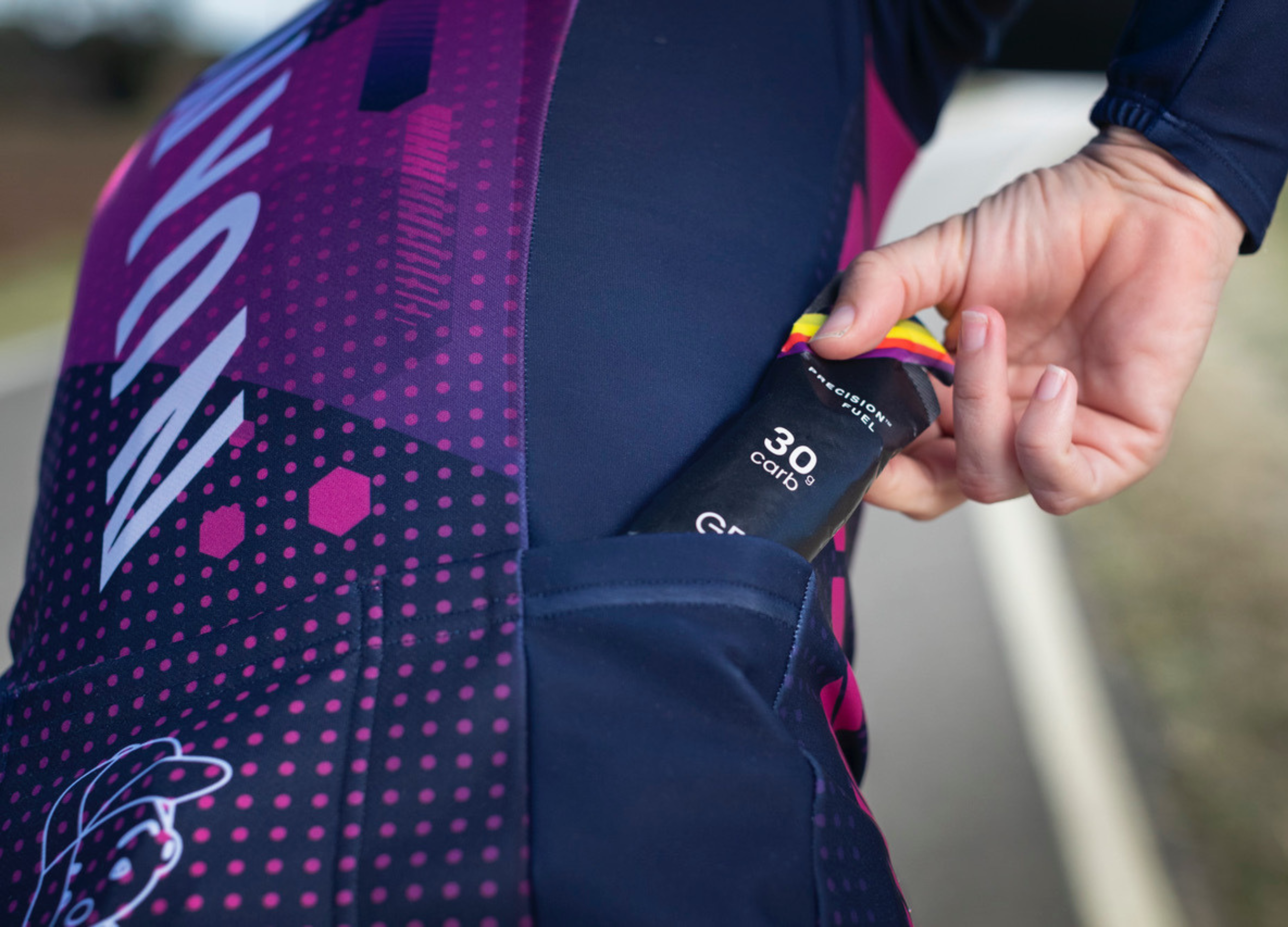
In the final 10–15 minutes before your effort, a gel or carb drink helps stabilise blood glucose right as you begin moving. Precision Fuel & Hydration PF30 Gel is a reliable, no-fuss option here.
For hydration specifically, preloading with a strong electrolyte dose helps increase blood plasma volume before you start, which supports cooling and oxygen delivery to your muscles once effort begins.
During: Fuel the Plan, Not the Feeling
The single biggest shift most athletes need to make: all fuelling should happen at planned intervals, not in response to feeling like you need it. By the time you feel low on energy, you’re already behind.
A few principles that hold regardless of event length:
- Fuelling and hydration are one plan, not two. You lose both carbs and sodium through sweat, so they need to be managed together.
- Little and often beats catching up. Small, regular doses are easier on the gut than trying to make up for a missed window with a big hit.
- Start early. Begin fuelling in the first 30 minutes, even if you don’t feel like you need it yet.
- Take gels with water, not a carb drink. Water is what your gut uses to digest the gel - pairing a gel with more carb-heavy fluid just adds to the load your stomach has to process.
- Don’t over-drink either. Over-hydration can be just as much of a problem as under-hydration. Let your fuelling plan lead; let hydration support it.
Watch for the warning signs of under-fuelling: a late-race energy drop, difficulty holding your pace, or excessive fatigue between training sessions are all signs your intake isn’t matching your output.
Under 75 Minutes
Your pre-race meal and carb-loading should be enough to see you through. If you want a small quick-hit of carbs, that’s fine, but it’s optional rather than essential at this duration.
75 Minutes to 2 Hours
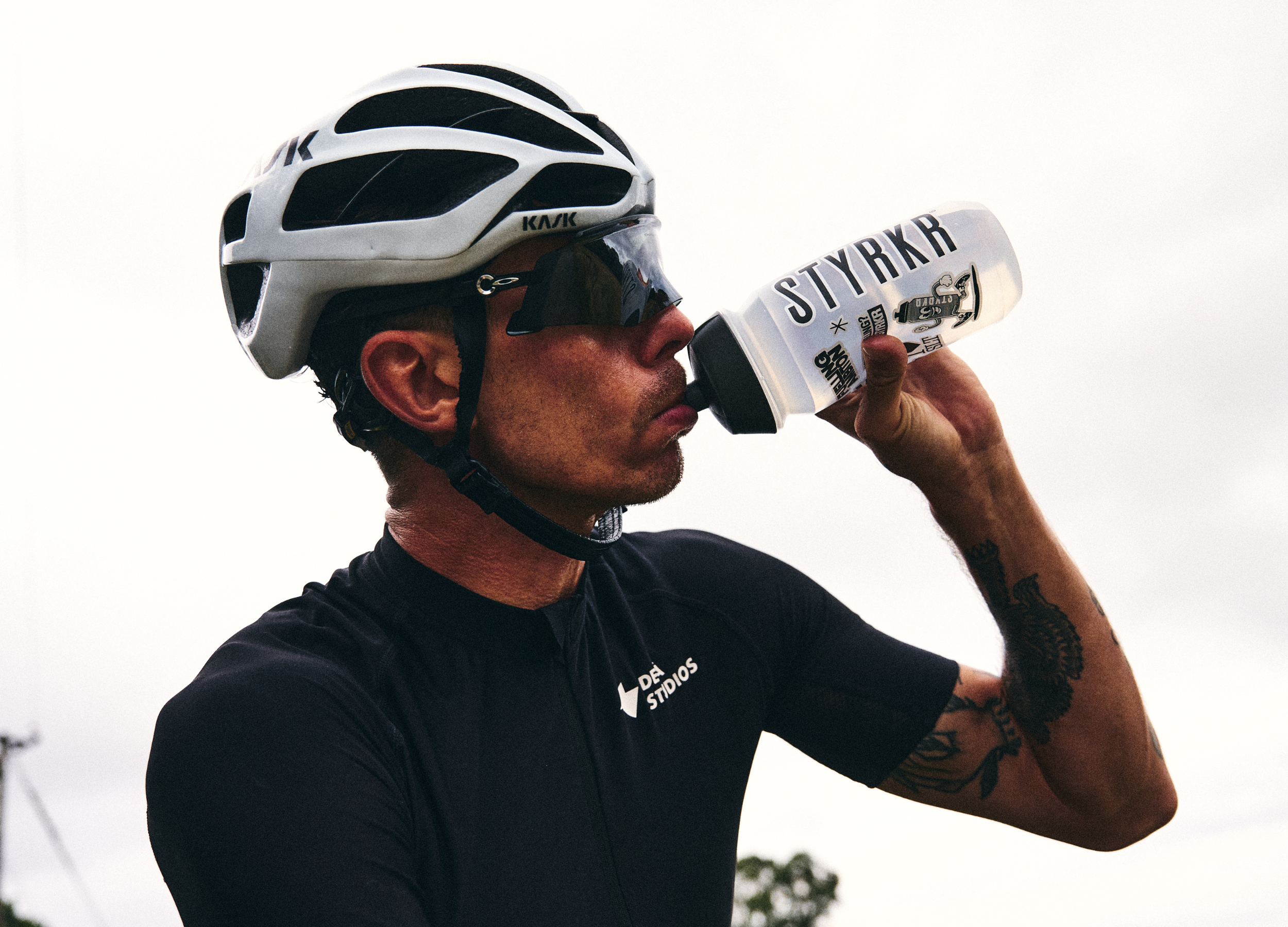
This is where fuelling really starts to matter. Aim for 30–60g of carbs per hour, using gels or chews to hit the number consistently. Styrkr GEL30 is well suited to this window - 30g of carbs per gel makes the maths simple.
Over 2 Hours
Past the 2-hour mark, under-fuelling risks a genuine bonk - running out of glycogen and hitting the wall, where holding pace becomes a real struggle. For harder efforts, step up to 60–90g of carbs per hour; otherwise, continue at 30–60g/hour.
As a rough guide: a half marathon-length effort typically needs 2–4 gels, while a 2-hour-pace effort sits around 3–4 gels across the distance.

After: Recovery Starts at the Finish Line
Recovery isn’t passive, it’s an active, coordinated process involving muscle repair, nervous system regulation, nutrition, hydration, sleep and stress management all at once.
By the time you finish, glycogen stores are depleted, which is a big part of why you feel flat and low-energy post-effort. Carbohydrates are the most effective way to restore that glycogen, and studies consistently show that consuming carbs immediately after exercise restores glycogen significantly faster than waiting a few hours. Protein alongside it helps by stimulating insulin release and supporting muscle repair - carbs speed up recovery; protein helps rebuild.
Styrkr Bar+ is built for this window: 45g carbs and 15g protein in a 3:1 ratio, which research shows helps spike insulin and aid carb absorption.

Hydration deserves equal attention. A high-sodium oral rehydration solution reduces urine output, meaning you retain more of what you drink rather than flushing it straight back out. Styrkr MIX+ combines carbs and electrolytes in one, making it a straightforward post-effort option.
PILLAR Triple Magnesium Recovery Powder rounds this out - one 5g scoop daily, aimed at easing cramps and supporting sleep quality, which matters more for recovery than most people give it credit for.
The Bigger Picture on Daily Intake
Recovery from a single session is one thing, but your daily targets matter just as much if you’re training consistently:
- The International Society of Sports Nutrition recommends 5–8g of carbs per kg of bodyweight daily for athletes training to improve performance, versus 3–5g/kg for those not training with performance goals in mind.
- In the 4 hours immediately post-exercise, aim for roughly 1.29g of carbs per kg of bodyweight, per hour, to maximise glycogen resynthesis.
- High-glycemic, low-fibre carb sources absorb faster than low-GI, high-fibre foods, useful to know when you specifically want fast glycogen replenishment rather than sustained release. Styrkr Bar30 or Bar50 fit this profile well.
- Protein needs are higher for athletes too - 1.2–2.3g per kg of bodyweight daily, compared to general population guidelines, to properly support recovery and adaptation.
The Long Game: Don’t Just Think Event-to-Event
If you’re racing across a full season, the cumulative load on tendons and ligaments builds in a way that a single race-day nutrition plan doesn’t address.
PILLAR Collagen Repair Powder is designed as a daily addition rather than an event-day product - one 5g scoop, mixed into any drink. Worth considering if you’re building toward a season of events rather than just one.
The Short Version
- 36–48hrs out: Carb-load to 700–840g/day (70kg athlete), scale fluids alongside it and practice your race-day plan in training first
- 2–4hrs pre-race: A low-fibre, low-fat meal, plus sodium loading in the final 4 hours
- 10–15 min pre-start: One gel to stabilise blood glucose, plus an electrolyte preload for blood plasma volume
- During: Fuel on a schedule, not on feel, 30–60g carbs/hour for 75min–2hr efforts, 60–90g/hour once you’re past 2 hours on hard days
- After: Carbs + protein within 30–60 minutes, plus a high-sodium rehydration drink to help you retain fluid
- Daily (in training): 5–8g carbs/kg and 1.2–2.3g protein/kg if you’re training for performance
- Ongoing: daily collagen support if you’re racing across a full season
Everything above is available in our nutrition range - shop the full range here.