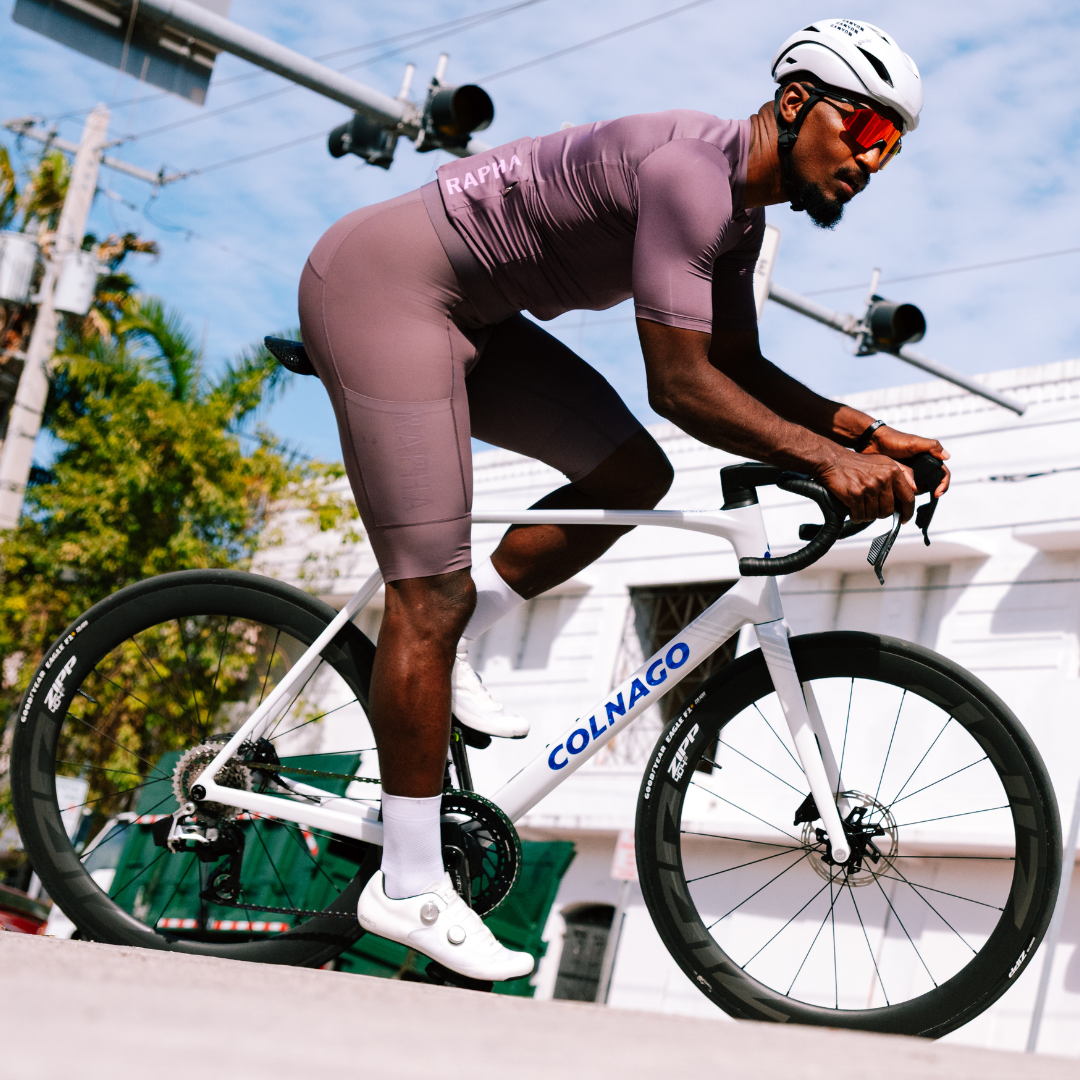
For the better part of a decade, the industry line has been simple: wider is faster, wider is comfier, wider is safer. Rims crept out from 17mm internal to 19, then 21, then 25mm became the flex number for anyone chasing a Grand Tour spec sheet. Tyres followed suit: 28mm became the new 23mm, 32mm started turning up on race bikes, and anything skinnier got quietly retired to the "vintage" bin.
What's actually happening
Word out of the WorldTour is that several major wheel brands are pulling internal rim widths back down toward 23mm, a deliberate step back from the 25mm rims that had become the default for aero road wheels. The clearest signal came from Enve, who built a Pro version of their SES wheel with a 23.5mm internal width specifically for Grand Tour racing, reportedly with Tadej Pogačar's program in mind.
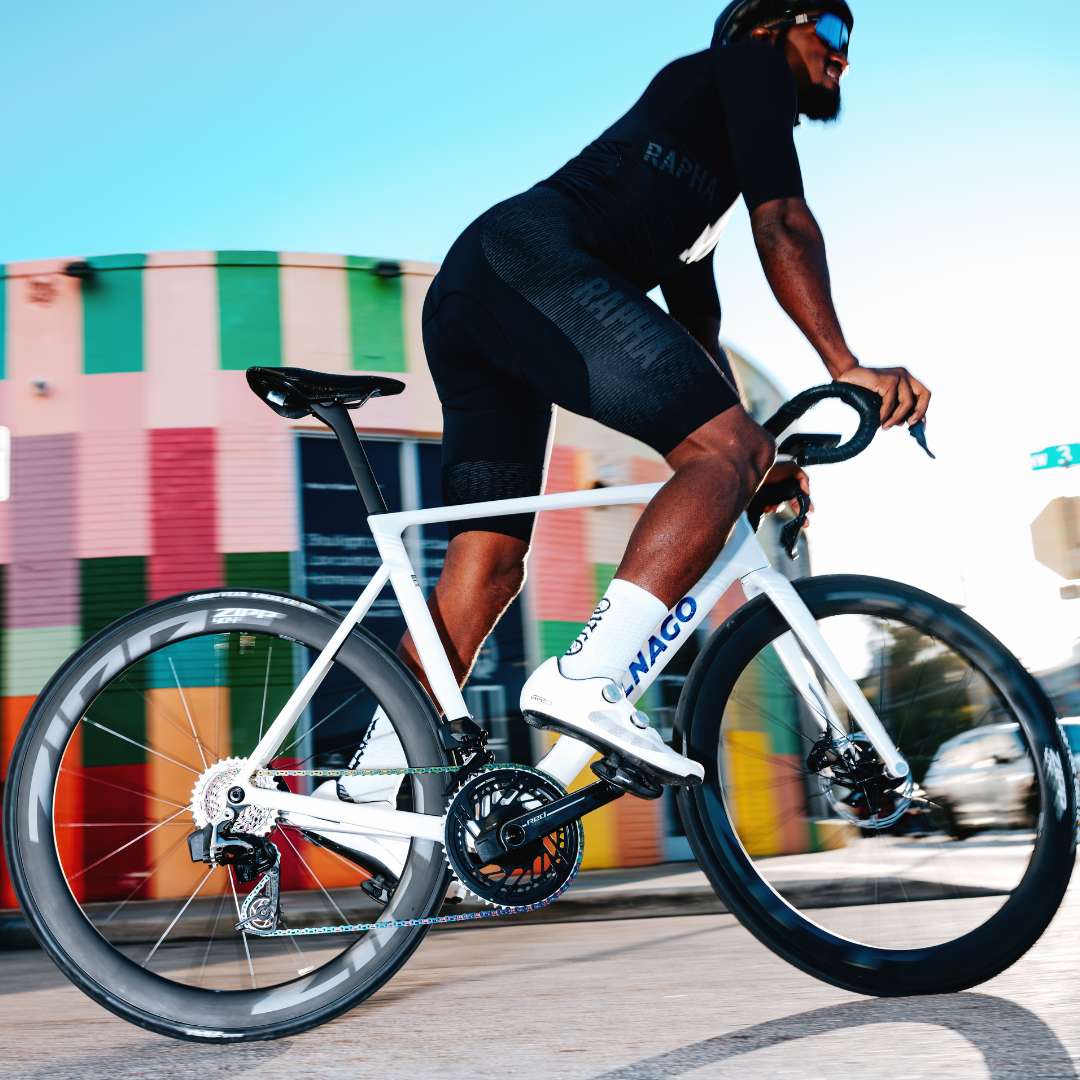
Net Company Ineos race Scope’s flagship Artech wheel, Richard Carapaz won the Polka Dot Jersey on Vision’s Metron 45 RS 23mm internal and Canyon Sram are racing the Tour de France Femmes on Zipp’s 23mm internal 454 NSW, with the 202 NSW expected to feature heavily on stage 7 finishing atop Mont Ventoux. Shimano have just announced the update to their soon to be released, top-tier Dura Ace 9300 series wheels; you guessed it, 23mm internal.
The most notable reversal being from Enve, a brand that helped push the wide-rim movement in the first place.

Why this matters beyond the WorldTour
None of this means the wide-tyre revolution is reversing, 28mm to 32mm tyres are still very much the story for 2026, on race bikes and endurance bikes alike. What's shifting is the rim side of the equation, and specifically the idea that "wider rim, always" is the correct answer regardless of what tyre is going on it.
The ETRTO guidelines exist for a reason: match your rim width to your tyre width, not to whatever number looks most impressive on a spec sheet. A 23mm internal rim paired with a 28-30mm tyre is, for a lot of riders, going to give a rounder tyre profile, better lateral support, and a more predictable ride than chasing the widest rim on the market and hoping the tyre keeps up.
The Bikebug take
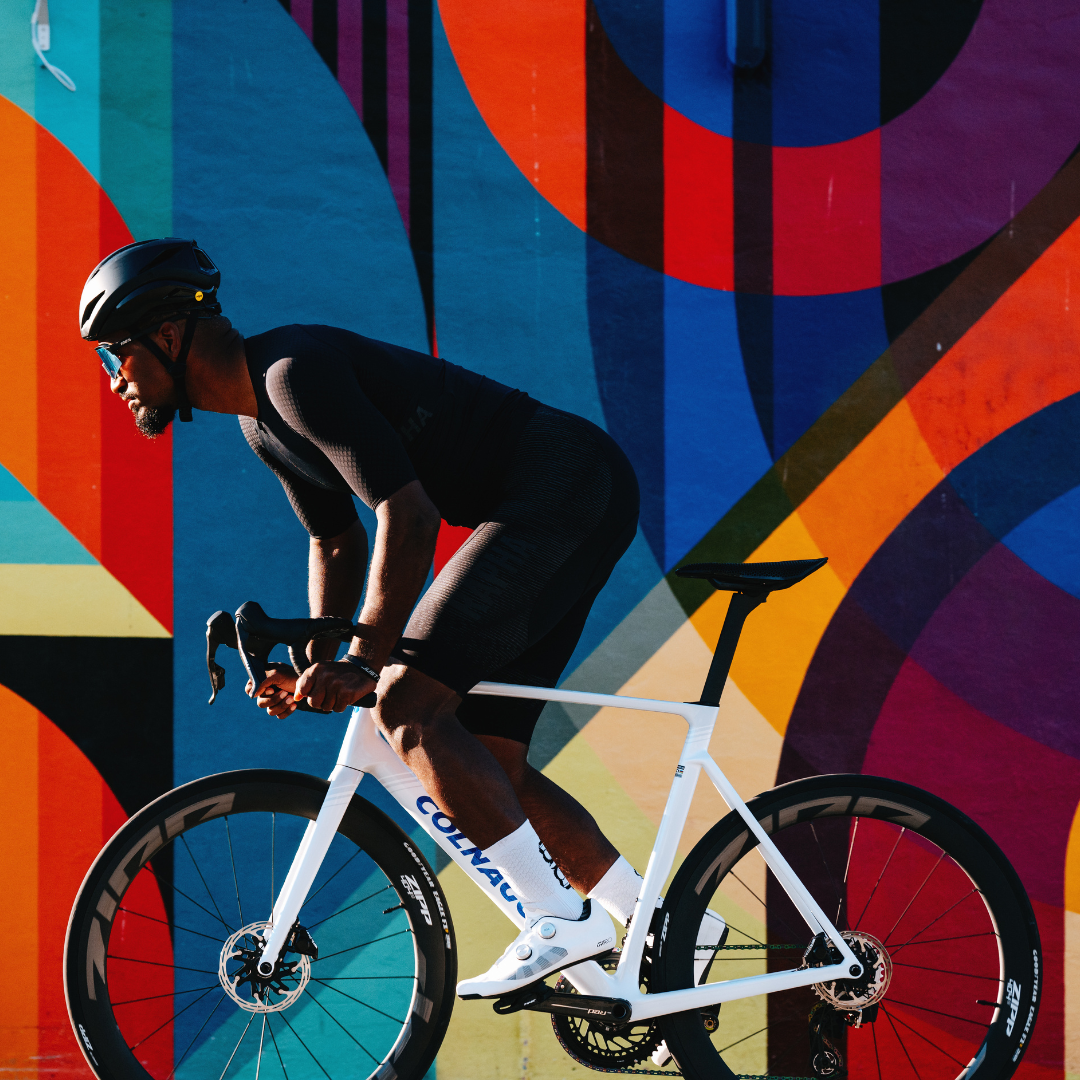
We've said it before and we'll keep saying it: buy the wheel that matches your tyres, not the number that trends best on Instagram. If you're racing on 28s (and most of us should be), a 23mm internal rim is going to serve you better than a 25mm rim built for someone else's tyre choice.
Check out our range of wheels and flick us a message if you need a hand matching rim width to your actual tyre setup, we'd rather talk you out of the wrong wheel than sell you one that's wrong for what you're riding.